Podcast is also available on the versions below:


Get Notified Of Future Episodes on Apple Podcasts | Spotify | YouTube
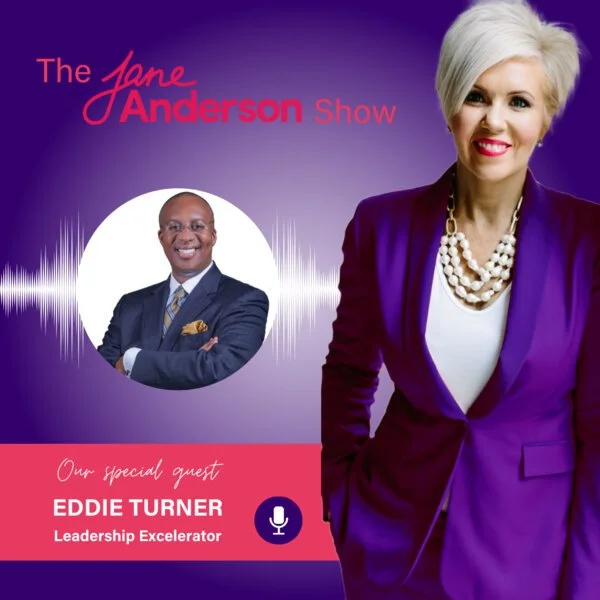
If you work in leadership development, you already know the problem. You have the website, the business cards and the credentials, and yet the phone doesn't ring.
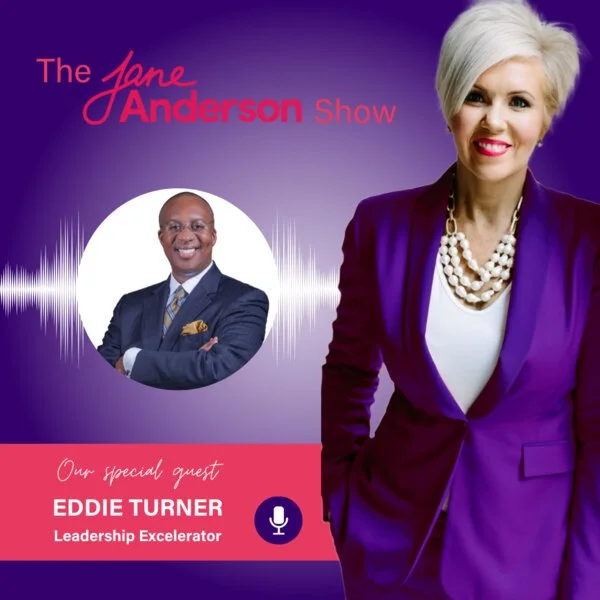
That was the starting point for my conversation with executive coach, keynote speaker and facilitator Eddie Turner. Eddie works with senior and emerging leaders, hosts the Keep Leading podcast, and is someone I often point to when I talk about leadership brand, personal presence and building trust as a leader.
Eddie began his career in technology, retrained in leadership, and built a practice in one of the most crowded categories there is. In this episode, he shares how he got clear on what he stands for, why he treats video and virtual presence as part of his brand, and why he has committed to independent credentials. If you are a coach, consultant or speaker working out how to build a personal brand in a busy market, his story is full of practical lessons.
From Technology Professional to Leadership Coach
Eddie's path into leadership wasn't a straight line. He started as a technology professional and worked for companies that Forbes counts among the most admired. He had watched the best lead the best, but the leaders he saw were not always the kind of leaders he thought they should be.
What he lacked was a way to explain why. "I just knew what didn't look right, what didn't feel right," he told me. So he went back to school and studied leadership and organisational behaviour. There he found a framework, and research from trusted experts, that gave him the evidence behind what had been a gut feeling.
He later trained as a coach, studying under Dr Ron Heifetz at Harvard Kennedy School, widely known for his work on adaptive leadership. At the time of our conversation, he was about three weeks from completing an executive certificate in public leadership at the Harvard Kennedy School.
His attitude to learning ran through the whole conversation: "We don't know what we don't know until we learn what we don't know."
Imposter Syndrome Is Real, Even at the Top
I asked Eddie whether he had ever felt like an imposter as his practice grew. His answer was immediate: absolutely, and it is very real.
He described how it tends to show up. We picture a point of success, thinking "if I can only hit this point, then I will be happy", and then we arrive and start wondering whether we are as smart as we think. Or we compare ourselves with people who seem to have it all together. What we are actually seeing, Eddie says, is a person putting in 110 per cent effort, which can mean the ball is being dropped somewhere else.
His response was to be intentional and make adjustments as he sees the need.
Key takeaway for consultants: Comparison rarely shows you the full picture. Everyone you admire is trading something off somewhere, so measure your progress against your own intentions.
Don't Be the World's Best-Kept Secret
Eddie has also dealt with the Australian tall poppy problem in his own way. One client told him he was too loud on social media and was always bragging. Eddie didn't dismiss it. He listened and asked himself honestly whether the feedback had merit.
Then he looked at what had led him to be visible in the first place. When he moved from IT towards human resources, coaching and leadership development, HR people wouldn't take him seriously because he was an IT person. IT people questioned his commitment because he wasn't pursuing a computer science degree. "I was caught in the middle," he said. "I didn't have a home."
A mentor, Tim Durkin, gave him a line that changed his approach: "You can't be the world's best-kept secret." Eddie describes himself as a deeply private person, so it landed. If people don't know about you, they can't buy from you, and they don't know where to place you either.
He launched a deliberate campaign to say clearly what he represents, who he serves and what he stands for. It combined social media, joining associations and networking. He compares it to planting seeds: you don't see a crop straight away, and it takes watering, nurturing and pruning before the first sprouts appear.
He is also clear that you need to discern the motives behind criticism. His view is that when someone points a finger at you, "there's three fingers pointing back at them". He also doesn't want to step on anyone else. But as an independent professional, he says, people won't buy what they can't see clearly.
Key takeaway for consultants: Clarity and visibility work together. Say plainly who you serve and what you stand for, and keep saying it, because a brand grows the way a crop does: slowly, then visibly.
Standing Out in the Leadership Space
Leadership is a category people understand how to buy, which makes it crowded. Eddie started his speaking career as a technology speaker and wasn't getting booked. Tim Durkin suggested he speak on leadership. Eddie's reply was that everybody speaks on leadership. "That's the thing," Tim said.
So Eddie had to work out his unique point of view. He put the scale of the competition in perspective: one coach training institution in Houston alone was producing at least 200 new coaches a year, and hundreds if not thousands enter the field globally every year. "There's plenty of pie to go around," he said, "but it means you must work harder for your slice."
Without differentiation, he warns, you become a commodity. You don't get booked, and when you do, the fees don't sustain your career or your family, and some people give up. His answer: "take control of your brand, own it, craft it, and put it out there."
Key takeaway for consultants: A website and a set of cards isn't a brand. In a busy category, your point of view, and the clarity with which you express it, is what separates you from every other coach.
Why Video Belongs in Your Brand Mix
One of the most useful parts of our conversation was about video. I shared a moment from early in my own practice. After working with a great photographer, I met a CEO who told me I was much more down to earth than he'd expected. It reminded me that people need to hear our voice, not just see polished photos.
Eddie had a similar experience. A CEO choosing between him and one other coach told him she had a sense of what it would be like to work with him, because she had been watching his videos online. She knew nothing comparable about the other coach. He was hired. Others contact him because of his podcast.
His podcast metrics surprised him as well. He sees that about 20 per cent of his listeners are tuning in on an Apple Watch, turning otherwise non-productive time, like running or yard work, into productive time.
I also shared a tip I picked up from speaker Connie Podesta at a National Speakers Association conference: put a video page on your own website, almost like a YouTube channel in miniature. Meeting planners rarely start at your YouTube channel. They want to know quickly whether you're high energy, funny or a good match for their audience. For me, that page has been one of the highest-return activities I've done, and I encourage all my clients to do it.
Key takeaway for consultants: Buyers want a sense of what it is like to work with you before they pick up the phone. Video and audio do that job in a way photos and bios can't.
Matching Your Media Presence to the Format
Eddie also pointed out that presence isn't one-size-fits-all. On a television Sunday show, you may need to answer in three sentences and stop, in about 30 seconds, and the segments are often around five minutes. On a podcast like this one, a one- or two-minute answer works. Understanding context, audience and timing matters.
Levelling Up Your Virtual Presence
Eddie was working virtually long before COVID, running meetings and one-on-one coaching online, which gave him an international client base. What he hadn't refined was how to show up on camera as a professional speaker.
He told me he has always been "maniacal" about presence in person, from suits and blazers to the brand he projects, and has now transferred that to how he shows up online. A regular webcam wasn't enough. He paid attention to backdrop, lighting and audio, and spent two days immersing himself in learning the equipment. At the time, it felt like a waste because he wasn't billable. It has since paid big dividends.
The lesson he took from a professor: "Sometimes you have to go slow to go fast." People see the effortless result, he says, but not the time it took to get there.
I shared a related point from working with a sales trainer who delivered sessions in a hoodie, sitting and chatting. If you screengrab a Zoom call for LinkedIn or a newsletter, it needs to be clear at a glance who is leading the room. Eddie added a practical detail: the speaker highlight often lands on whoever is counting down for the photo, so make it obvious who the leader is.
Key takeaway for consultants: Your online presence is your room presence. Invest in your backdrop, lighting and sound, and make it clear in every image who is leading the session.
Independent Credentials: Why Eddie Would Do It All Again
I closed by asking what he would do differently if he were starting again. His answer was nothing, because every experience teaches you either what to do or what not to do.
What he does emphasise is his commitment to independent credentials. In IT, certifications mattered more than degrees for a time. When he moved into leadership, he applied the same thinking. He wanted to do what he is passionate about, and also to have independent verification that he is as good as he says he is. That led to credentials in speaking, coaching and facilitation. He also helped create the Certified Virtual Facilitator credential through the International Institute for Facilitation (INIFAC), where he spent four years on the board of directors. In speaking, the Certified Speaking Professional (CSP) designation from the National Speakers Association is awarded on the strength of past speaking work, client feedback and business track record, and is held by fewer than 17 per cent of NSA members.
Eddie also says the process matters as much as the letters after your name. Going through a formal process fills gaps you didn't know you had: "the journey was just as important as the destination."
I added that credentials remove friction. When they sit on your website and in your signature block, a buyer doesn't have to ask, and you get to talk about what they actually want to discuss.
Eddie's advice for people who think credentials are unnecessary is blunt. People said the same in coaching and in IT, and then the market started to demand them. He knows people with PhDs who had to complete a coaching credential because clients wanted them to show up as a coach and not a professor. "You may be able to get away with it today," he said, "but will you be able to do it tomorrow?"
Key takeaway for consultants: Independent credentials give buyers confidence, and the study behind them strengthens your craft. Eddie's question is worth asking yourself: how far behind will you be if you wait until the market demands it?
Frequently Asked Questions
How can a leadership coach stand out in a crowded market?
Eddie Turner's answer is to develop a unique point of view and communicate it clearly. He notes that many coaches and speakers enter the field every year, and that without differentiation you risk becoming a commodity who struggles to get booked at sustainable fees.
Do experienced coaches and speakers get imposter syndrome?
Yes. Eddie says he has experienced it. He links it to setting a vision of success and then doubting yourself on arrival, and to comparing yourself with others who seem to have it together.
How should you respond if someone says you're too loud on social media?
Eddie listened and analysed the feedback honestly. He then considered why he was visible in the first place, and how much of the comment might come from the other person's own reasons. He decided he would not apologise for making clear what he does and who he serves.
Why does video matter for a personal brand?
It lets potential clients get a sense of what working with you is like before they meet you. A CEO chose Eddie as her executive coach after watching his videos, and others contact him through his podcast.
Are professional certifications worth it for coaches and speakers?
Eddie believes so. He sees them as independent verification of your skill and as a process that fills gaps. He notes that markets can start demanding credentials, and that waiting puts you behind peers who act early.
How do you show up professionally on video calls?
Eddie applies the same attention to presence online as in person: a better camera, a considered backdrop, good lighting and clear audio. He also recommends making it obvious who the leader is in any screenshot you share.
About Eddie Turner
Eddie Turner is an executive coach, keynote speaker and facilitator who works with senior and emerging leaders. He is a Certified Speaking Professional, a Professional Certified Coach with the International Coaching Federation, and the host of the Keep Leading podcast.
Conclusion
Eddie Turner's story is a reminder that a strong leadership brand is built on deliberate choices. He got clear on what he stood for, put himself out there despite being a private person, used video and audio so buyers could experience him, raised his virtual presence, and backed it all with credentials that someone else had verified.
If there is one thread through our conversation, it is that being seen clearly is part of serving your clients well. As Eddie put it, people won't buy us if they don't know about us.
Connect with Eddie Turner: Visit askeddieturner.com for his videos, news and the podcasts he appears on, and listen to the Keep Leading podcast at keepleadingpodcast.com or on Apple Podcasts.
Work With Jane Anderson
If Eddie's story resonated with you, here are some ways to take the next step:
Women With Influence: Join a community of B2B women consultants, coaches and advisors building world-class practices.
Grow With Influence: Explore my coaching for B2B practices.
✨ Tune in to hear Eddie Turner on leadership brand, virtual presence and why being seen clearly is part of serving your clients.
Key Takeaways from Today’s Episode:
-
Imposter syndrome affects experienced coaches too. The people who look like they have it all together are putting in huge effort and likely dropping the ball elsewhere.
-
Say plainly who you serve and what you stand for. If people can't place you, they can't hire you.
-
Social media, associations and networking compound over time, much like planting a crop.
-
Eddie's shift came from finding his own point of view on leadership rather than treating it as a generic topic.
-
Videos and a podcast helped win Eddie a CEO client who had never spoken with him.
-
Backdrop, lighting, audio and a clear signal of who is leading the room all shape perception.
-
They reassure buyers, and the process of earning them fills gaps you may not know you have.
Full Show Transcript:
-
Hi there, my name is Jane Anderson and this is the Jane Anderson Brand New Show. It's the podcast for experts who want to have greater impact, influence and income for their businesses and careers. As experts, we know that people buy from people and work with people who they know, who they like and who they trust.
So I'm so glad you're here because it's that time again now to really amplify how you show up in the world. We're certainly seeing plenty of that and I'm being booked myself for some of those. And but some organisations are still continuing to take a little bit longer in their buying cycles.
Some are a little afraid of making decisions, making a mistake in their decisions, or there's so much change going on, they're trying to just keep up. So I think that will still continue for a little while. But overall, most of the clients we're working with are having a lot of success.
The thing that's working the best is to make sure that you're continuing to narrow right into the markets and niching into the particular programs that you're working with. If you need help with that, we actually have the Big Deals Masterclass coming up in July. So jump on the website, you'll see that one coming up.
We have very limited spots and it fills up every single time. So make sure you jump in there. But our special guest today, let me introduce you to her.
So our very special guest is a lady called Jade Lee. She's a workplace engagement and corporate expert, corporate culture expert, I should say. She works with organisations to improve team collaboration and in turn, productivity for organisations.
She's got over 20 years experience in the talent management arena and is passionate about mindfulness, sustained mental health and employee well-being. She has a real passion for travelling and she loves the great outdoors where she met her husband when she was trekking to Everest Base Camp. He was actually her Sherpa.
She's just launched a book which incorporates her Sherpa's story and her knowledge on team effectiveness and employee engagement. What My Sherpa Taught Me. Enjoy the conversation.
-
All right. Hi there, Jade. Thank you so much for joining us today.
I know how busy you are. The life of an author and congratulations on you being a published author. How does it feel?
Well, thank you, Jane. I'm so excited to be here. It feels surreal.
It feels amazing. I just I actually just got the book last Wednesday and opened it up and I was just like, wow, this is this is me. This is what I've created.
So sorry, go ahead. No, it's actually interesting. I was talking to a friend and it's it's kind of somehow that imposter syndrome still seems to come in, but it's which it shouldn't.
You've definitely written a book. You've got the evidence. I know.
It's great. It's a vulnerable thing to do to write a book because it's you at your most fully self-expressed, isn't it? Like it's it's your thoughts, your ideas and being able to put that down on a piece of paper and go, oh, people are actually going to read this.
You know, this is my most inner thoughts and feelings and putting yourself up for criticism and judgment and all those things. So, you know, it's a real milestone to do that in your practice. So, you know, I really acknowledge you.
So well done. Thank you. Yeah, it's pretty exciting.
So tell us all about your practice, Jade. Tell us about, you know, how did it start? Where are you based, by the way?
You're in Brisbane, yeah? I'm in Brisbane. Yeah, so I'm based in Brisbane.
So I guess to take it back, probably where it really started was about seven years ago, I was feeling pretty disengaged with my work and feeling a bit a bit lost and disillusioned. And I was actually planning on going over to Vietnam and Cambodia at the time. And I thought I was actually talking to somebody, a younger person who's about 21, and he was going to go backpacking through Asia.
And I was thinking, God, I wish I could do that. I used to be able to do that, but I can't do that anymore. And really, there was nothing stopping me from doing it.
Like I was actually single at the time, had a couple of investment properties and, you know, was able to actually access the money to do it. And I thought, let's just do it. So I took six months off and went trekking.
Well, I went to Vietnam and Cambodia, spent some time in Asia. And as only an Australian can do, had a look at the map and thought, Oh, Nepal isn't that far. Nepal isn't very far from Cambodia.
So I jumped on a plane, went to Cambodia, decided that I would trek to Everest Base Camp. And when I went over there, I was talking to the travel agent. And I said, look, listen, I'm happy to to to have a shelf.
I have a guide, but I want them to be able to carry my backpack. I don't want to have a guide and a porter. And he said, yeah, I know somebody who who can do that.
He used to be a porter and now he's a guide. And it turns out his name was Gabinda and he is now my husband. Isn't that amazing?
So that was pretty interesting. But but what I learned on that trekking trail was how engaged and happy people were in in their work when they were getting paid like twenty five dollars a day. And I was just really shocked, like not shocked.
But it was just really interesting when I knew there was so many people in Australia that weren't happy and like they were earning, you know, six figures and still weren't happy. Like, you know, had an amazing house and had everything they could possibly want. And it started me actually thinking about how we can get better engagement at work and how we can have happier employees and get more done.
So that's really where it started initially, seven years ago and actually launched two years ago and now have have really taken a big step for getting the book out and having all my ideas out there. Oh, that's amazing. What an incredible journey.
What an incredible story. And you met your husband that way as well. Does he still carry all your luggage when you travel?
And he doesn't really like climbing mountains anymore.
[Speaker 2] (6:27 - 6:27)
Oh, really?
[Speaker 1] (6:28 - 6:55)
Yeah. It's actually quite funny. We live near some bushland here.
And every now and then we go into the bushland. But it's not really it's not really as much of a as much in service as it used to be. Really?
You can get what you signed up for. You're like, you know, I could really use you climbing Mount Keetha over back home. So, no, he's settled into the Australian life very well.
[Speaker 2] (6:55 - 6:55)
Has he?
[Speaker 1] (6:56 - 9:53)
That's a big change. It's a very it's a very big change. And that's also influenced my thinking around, you know, diversity in our workplaces as well, because it's hard.
Like he used to climb up and down mountains with a new group of people every two weeks. He would develop those connections because he knew that if he developed those connections, he'd have happier clients. Yes.
Then he didn't understand workplace politics. He doesn't understand all the drama that we can get into in workplaces. He didn't like he was saying things to me like, I think that they're jealous of me because I'm working really hard.
And there's other people in there in his organization who probably aren't working as hard and feeling a bit jealous. And I'm like, you know what? You probably you probably are right.
And it's actually it's all these things that we learn. Like when we had our first jobs at 15, 16 about how to interact in a workplace that he never knew. So working through that and and then I started thinking, why is there all this drama?
Why do we have all this corporate BS that we have to deal with? So, yeah, and I was and that's kind of also influenced it as well, trying to help him navigate what workplace culture is in Australia. It's evolving so much, isn't it?
Like really thinking that whole unconscious bias and really thinking about, you know, have we got the right people on our teams and how are we giving people an opportunity to contribute? And are we valuing the diversity of ideas and where people come from? And, you know, just really, you know, I think if you've traveled overseas, you see some of these things, particularly in some of these countries where you get to see such a variety and how those how those cultures operate in just a different context.
And you do ask the question. I know that's why I left corporate. I don't need to do this anymore.
I've done this because I think we all get that point in even sometimes in our careers, particularly if we've got a consulting practice, like most of the people who listen to this podcast is and the women that listen to this podcast often have that same feeling where they go, you know what? I don't want to do this anymore. I'd rather I just want to do really good work.
I want to work with clients that I really like working with. And I just want to do I want to have some choice. I want to have the freedom and I want to do what I want to do.
And I think that's often, you know, that side of it where we've gone, you know, I don't think I need to do this anymore. I think I have some choice now. Is that kind of what happened?
And that's what you practice? Yeah, that was exactly. And then interestingly, when I came back from from that trip, I still I worked for, you know, obviously quite a few years.
And I actually also as part of that experience myself a bullying situation, you know, and I ended up having to go down the work cover path and the burnout mental health path. And that all contributed to it as well. And it's just like, you know, we need to have greater connection with each other and actually really appreciate working together as a team.
[Speaker 2] (9:53 - 9:54)
Yeah.
[Speaker 1] (9:54 - 21:47)
And it doesn't have to have as much drama as we seem to as we seem to create, which is basically what the book comes down to, leading that really simple, yeah, Sherpa Sherpa lifestyle is is really what we all crave. Yeah. Oh, I think we do.
I think we totally resonate. I think for those who are listening today, yep, that's exactly. You know, I think the simplicity of that lifestyle.
Plus, we've also had coming out of covid and going, you know what? Life's too short. You know, I'm going to start to create this lifestyle that I that I want to and to be able to, you know, whether it means I want to travel more, I don't want to travel more.
I want to stay home. I know I want to work, you know, this bit at home. I want to do that.
Like just designing it now. So, Jade, tell us a little bit about. So with the programs that you have, tell us about your practice in terms of the programs like that you deliver.
Is it mostly training or a bit of coaching or is it a bit of everything? How does it all work? It's a little bit of everything.
So I have a background mainly in resources and mine. I've actually pretty much worked in every industry known to man. But resources and mining is where I've generally gone back to in that engineering area.
So so one of my key programs is doing project kickoff meetings. So actually developing that connection early on in the piece. We know when projects start up, that's when you can have the most influence on the on the outcome of the project.
However, it's also when it's also the time when the team is kind of at their fledgling stage. So trying to fast track that connection in the at the start up. So getting really clear on what the vision is, starting to connect the people and and providing that support within the team.
Right. So that's it's one of my major projects, major programs. And then I also offer coaching.
So leadership coaching and and career coaching. So if you're in a position in your career, I I've worked in HR and recruitment is my is my basic background. So, yes, if you are looking to make a change and not quite sure how to do it or not quite sure what you want to change into at that point, I actually offer a coaching package as well.
And then I also have a program for onboarding new starters into organizations. So developing that connection up really close, really early. So in the first 12 weeks, having that really kind of more intensive start up with people, because often people get what we often expect, like having worked in recruitment for years, it was like, I want someone who can hit the ground running.
And I'm like, that's great. But where do you want them to run to? Where do you want them to run with?
And they just have to find it all out themselves. If you give them that support upfront and in a more structured manner, then then they're going to be a much better employee down the track. And you also know very, very clearly if they are the right person for you.
If you put that support in. Yes. Often there's a.
I guess there's a thought once we get to the end of the probation period, or maybe they're not right, but the managers like, but maybe I didn't spend enough time with them and maybe that's why they're not right. So that you have that really good clarity that, no, I support them really well and I can clearly make that decision. Yes.
What a great offering to put together for that. Like, I mean, that just sets up so much success for everyone, doesn't it? I mean, I think and what I love about that is I think sometimes, you know, when you're building your practice, some things like that, you know, we we sometimes trying to create like all these new things.
I don't know if you were like me when I started my thought leadership practice, but you're like, what is that? All these new things. And but sometimes you've already got some really great programs already.
You actually don't need to go and create a whole lot of new stuff. It's actually these are the programs that you're already delivering. Just do them really well and unpack the thinking around them, consolidate them so that you can leverage them and amplify your practice.
So, you know, is that kind of what you did? Yeah. Yeah.
And the thing is, it's foundational. Like, yes, it can it can seem quite simple. Like, look after your people to begin with.
Of course, that makes sense. Right. But we just don't do it.
We don't do it well. And I think that actually being able to give people some form of structure in that is what people love it. I think, oh, my God, right.
I need to do this this week, this this week. And and then they and they know that they're on track. And because everyone, you know, wants people to succeed in their teams.
But people get busy. We get busy and we kind of lose a little bit of focus. So it's around, you know, and also making sure that the time that you do spend with your people is focused and you're really present with them at those times.
Because often, you know, we're thinking about an email we've got to send or we're, you know, checking our emails or we're taking a phone call. And if you just have that quality 20 minutes with your people once a week, that's, you know, that's probably really all that you need. But it needs to be focused so that people feel valued and appreciated and all of those things.
Yeah. And we just, you know, sometimes we think, oh, you know, I know some of the clients we work with that they talk about, and they go, aren't these things kind of obvious? Like, you know, can't they just do those things if I just tell them?
But, you know, we have to actually think about clients just needs, I think, so much more support and focus and to be able to continue to do those things. Don't they more than ever? Like, they're just so distracted.
There's so much change. And just to continue to hold them, give them the support, but the accountability to make sure that those things are in place, because they're just particularly executives. They just pulled in so many directions, you know, sometimes just being able to support them through that.
Whatever it is, the programs that we've got, we can sometimes undervalue the programs we're selling and delivering because we go, oh, should I really? Wouldn't they do that themselves? Can I just, you know, should I really do that?
Do you find sometimes like that? Yeah, well, no, actually, if I don't hold you accountable, if I don't support you, it's not going to happen. That's exactly right.
And I think that I've just I just know for so many years that even the best of intentions that people still still don't get, you know, it's going to get the attention and the onboarding. And it's often it's it's reminders and it's having the processes in place. And like you said, the accountability.
So, yeah, well, have you done it? Have you sat down with the person? Especially what happening?
That's right, especially mining and resources, because it's so reactive. So, you know, there's so many other distractions that happen. So I love that there's so much power in that and the power and the simplicity of of being able to support your clients through that.
So tell us with starting your practice, what was your biggest fear with starting your practice? Oh, yeah. What was that?
Yes, failure, failure. Yep. Yeah, for me, probably it would it would have just been money.
Cash flow was probably the biggest fear that failure, failure piece in terms of you're putting yourself out there, like you're on LinkedIn and people know what you're doing. And it's like, you know, if if I go back into the corporate world again, you know, people will think that I've failed. But I think what I what I've learned so much is that, you know, you just need to if they're not in the arena, like as Renee Brown says, if they're not in the arena, you don't need to worry about them.
And they don't need to worry about them. And the people who are in the arena, they they've got your back. So so, yeah, so I think that that's it was just a fear of failure.
And putting your ideas out there is actually quite difficult. Like, it's not like I actually I've been doing a course around being better on video. And yes, and as part of that, you have to post a video on LinkedIn.
And I hadn't done very many videos at the time. And and so I heard someone say, oh, I just can't, you know, publish on a LinkedIn post. I said, get your VA to do it.
Just give it to them. That's right. Yeah.
You don't have to do it. Stay away from it. Back off.
Just hand the video over. I love that. It's so many times you have to do it.
Stay away from the unsubscribe button in your newsletter list. Like, don't go near it. Don't look at those things, because you've got to do so much to protect that mojo, don't you, in this game.
Like any of those things can really throw you off really easily. And and you like, I actually wrote a post about how much you you take so much more notice of the negative feedback than the positive. Like and oh, and there could be like, is that the the post when something like I sent out my blog this week and it had full spelling errors in it.
And I was just and someone came back and told me and I was mortified. And I'm like, but where were you when you told me that you really like my work? Are you coming back to me every week and saying, good, good job?
No. Exactly. Back to me when I'm done.
Love your error-free work, Jade. No, thank you. And like the thing is that, you know, and even in corporate world, like you can look at an email 10 times and go, I'm sure I've got it right.
I think I've got it right. You hit send and you go, oh, I forgot to do that. And and we always ruminate on that.
We don't ruminate, you know, all the positive feedback. We kind of everyone like, oh, yeah, yeah, yeah, yeah. Where we do tend to beat ourselves up a bit, don't we?
And we can, you know, just if you can, the sooner you can get a B.A. to do those things, the sooner, you know, they start to protect yourself a little bit and get a little bit of self preservation, I think. But, you know, even just that, I think, is worth their weight. You know, if they can just help with some of those things.
So based on, you know, like for how far you've come into your practice journey now, like you've done some incredible stuff, you've got programs going, you've got a book going now, which we want to talk a bit more about. What what based on what you've done so far, what have been some of the learnings or insights or things that you would have done a bit differently compared to if you reflect back? Is there anything that comes to mind?
There's probably two things. One, I would have written my book earlier, like the book was pretty much ready to go two years ago. Like if I had if I had had my I had all my, you know, pink sheets, all my ideas pretty much ready to go, but I hadn't actually done it.
So I probably would have started my practice with the book. And having said that, like it has evolved and it has worked, but it's you know, I guess it really just depends on your own personal circumstances. And I would say the best thing I've done is get a B.A. So, you know, for the for the investment, having a virtual assistant is is great. I and I was at one stage just working on all that, you know, all the admin. And I wasn't adding value to my practice. And that's really the energy out of that space.
[Speaker 2] (21:48 - 21:48)
Yeah.
[Speaker 1] (21:49 - 22:53)
And how did you find them, Jay? Was it a referral? Like it's constantly the issue that comes up all the time with people in their practices, particularly women, because, you know, the juggling I can find just more, more the bandwidth is stretched a little bit further.
So that the value of that B.A. And it's a scary thing to bring them on. How did you go about? Did you find it through someone?
Or did you visit an agency? Did you get a referral? What did you find work best for you?
Yeah, I found it through somebody. I did look at the agency path and that was because my B.A. is actually based in the Philippines. That was going to be a much more expensive way of doing it.
So I actually just reached out and and I only like I only had her originally for like 20 hours a week. So we actually shared a B.A. with somebody else. And it becomes not a massive.
It's not a massive investment, but it is. It makes a massive difference to your time and to to where you're focusing on. So, yes, that was a referral.
Yeah.
[Speaker 2] (22:54 - 22:54)
Yeah.
[Speaker 1] (22:54 - 31:47)
And I want to be honest with you. You know, she is actually a community. Seems to be a community of B.A.'s over there. So if I if I talk to to my B.A. and say, hey, someone's looking for someone for 10 hours a week, she will. They kind of find them and they and they train them up so they can work really well with Australian Australian clients. Yeah.
Yes. Yeah. I reckon the word of mouth here and the word of mouth there, if they, you know, they can sort of, you know, work out who do they know, because they can sort of end up being a little bit sort of translating.
There's so much to learn in a practice, isn't there? So there's just not really a handbook or a rule book or a lot of people that have necessarily experience in running a game like this. That's right.
And the thing is, what I've found with with my B.A. Chris is that she like I'll say I need you to work on this. Like I try to give her different things to do, not just, you know, a lot of LinkedIn stuff. I said, yes, work out.
Can you work out how to use this software package and how it's going to work for our practice? And yeah, and she will go back and just say, and they'll obviously have their own community. And they say, has anyone worked on this software package?
How do I do it? Or they'll take the time to go through and do the you know, look at the YouTube videos and all of that kind of stuff. But it's not worth my time to do it.
I don't really need to know how to do it. Like it's nice to actually know how to do it on one level. But once you know it, that's it.
So she'll do all the research for me. And I think it's like anything you need to get the right person. Like she's somebody who I know wants to learn and expand more.
So I give her more interesting things to do. Like she launched the Amazon campaign, you know, for my book. She was behind all of that and all the different ideas and even working on Canva, developing stuff on Canva for marketing.
Yeah, so it's great. How good is that? I mean the technology and the systems and all those things there.
You got like Asana, the Canva, all those things if we can find. And if they can learn, the key is how good they are at learning, isn't it? That they can pick those things up.
And so in terms of, so tell us all about your book. Your book is what, hang on, I just had it here a second ago. I just want to get this title right.
And I read it out in your intro, which is What My Sherpa Taught Me About Teams, A Guide to Engagement at Work. So you met your husband who is your Sherpa. And these are things that you learned from him on that trip that you mentioned earlier, is that right?
And then you've decided to write the book about what you learned on that trip. And then you've ended up marrying him. I just think this is amazing.
I ended up marrying him. When you get to 38 without meeting the man of your dreams and you happen to find him on Everest, you just bring him home, right? That's whatever it takes.
-
So tell us all about it. So yeah, so basically it's using the Sherpa analogy of climbing the mountain to engagement at work, okay? So, and it's also like a Sherpa, they don't summit the mountain first.
They support everyone to get to the mountain. And then they also know that they need to help people back down the mountain, you know, safely as well. So it's around that.
There's like certain lessons from the Sherpa in the book. So things like when we're in a team, often we forget to celebrate the successes. So, but if you're on the checking trail, you walk for a couple of hours and then you stop and you have a drink and you look back and you see how far you've come and all of that.
So it's kind of like that milestone idea. So around celebrating successes. And it's kind of a growth mindset.
Exactly. There's a lot of stories in the book about my experiences in the Western culture and kind of showing how we can learn a little bit around the simplicity and around getting more connected to ourselves and what we want and getting closer to our values as well. Yeah, so it's like lots of different lessons of how we can climb that mountain to being more engaged because unfortunately, there's only about 20% of people worldwide who are regarded as engaged in their job, which is quite concerning.
20%. Only 20%. The rest of us are just what I call going with the flow and taking home the dough.
So, oh, there's also another about 20% who are actively disengaged or actually causing problems in the workplace. But yeah, my mission is to try and get a few more people up into that engaged category. So we feel like we're contributing.
We feel like we're adding value. And like the role of the Sherpa leader is around providing that support, providing direction, and also creating an environment where people can collaborate better together. Right.
And so with the book, what's your hope in terms of like the ideal clients? So you've kind of written the book for it's a positioning activity. It really helps to sort of frame up your practice and show that sort of angle you're coming in on your expertise.
And so, because you've already, you've had a business as such or a role in like recruitment. So you sort of got lots, you would imagine, I'm imagining lots of people very well connected. And then with the clients, you're sort of thinking is it, you mentioned before a bit about mining and resources.
Are you seeing it for that type of industry or is it a bit of a mix of different industries or do you have, what made you sort of decide on this one and this specific, for this specific, like not, you've done it for teams. Is it that you're like, what do you want to do with it? And who do you want to work with?
And what was the purpose of the book? Like in terms of the type of market? Yeah, so it's around project teams.
I guess it's around project teams specifically. Got it. Okay.
Yeah, it would apply to any, it does apply to any teams, but I've got a really good background in setting up projects and working in mining projects. So doing those kickoff meetings or those restart meetings with project teams to get them really aligned on what they need to achieve and how they're going to communicate better and work more collaboratively together. That's really, really where it's about.
So engineering consultancies, mining organisations, resources companies, even, you know, now all the new energy stuff as well. Those people who are coming together and need to develop their cohesive team quite quickly is probably where my niche market is. Got it.
Okay. Well, it's, you know, I really like the narrowness of that market. Like, you know, like you said, you could use it, you've got some flexibility to be able to work with it and the message works right.
But amazing, isn't it? That you've got, you know, to be able to, we've got to be able to go in a bit narrow and you've got that, that sounds like you've got some of those industries ready to go and have conversations with already in your practice. Is that right?
Yeah, that's right. And because I hate to think how many engineers I've recruited and mentored and coached over the years. And engineers are one of those more technical specialties that often people get put into leadership roles where they don't necessarily get the support to be a successful leader.
So actually being able to work with them, like they have the ability to be able to do it, but they just need the guidance and the coaching to really make the most of their teams. And that's where I see a real need in the market, to be honest. Yeah.
Yeah. Great. And so lucky last question in your practice, what's your vision?
What's your dream? Or what's your biggest goal for your practice? I would love to be on the international keynote stage.
Jane, there we go. I'm putting it out there. There you go.
We're calling it. Right. Fantastic.
Excellent. I love that you've named it. That's exciting.
So what would be your dream stage? Do you know? It's actually funny.
I listened to a podcast called the Mindvalley podcast. I don't know if you've listened to it. And I was actually listening to it this morning.
It was Gabrielle Bernstein, who's the author of The Universe Has Your Back. And they obviously do a conference every year or whatever. And some really amazing people get on there.
That might be my big audacious goal.
[Speaker 2] (31:47 - 31:48)
Mindvalley's annual conference.
[Speaker 1] (31:49 - 31:50)
Okay. There you go. A big audacious goal.
[Speaker 2] (31:50 - 31:51)
All right.
[Speaker 1] (31:52 - 32:51)
Okay. Remember us when you're famous. We'll all be going, we remember the day that we did the podcast with Jade.
I'll be sure to let you know I'm on there, Jane. Absolutely. There we go.
Look at this. That's fantastic, Jade. So if people want to follow you, Jade, they want to learn more about the book, if they want to buy the book, I think I've had a look around the books on Amazon and they can go to your website and all that sort of stuff.
Is that right? That's correct. So jadelee.com.au is my book. And you can go into Amazon. Don't get too confused. There is another Jade Lee who's an author who writes erotic...
She writes erotic fiction. That's not me. I'm the online photographer.
I was going to say, you never know. There could be some love scenes. Since you got married, these things could happen.
I was waiting for the love scene in the chapter of the book. That's hilarious.
[Speaker 2] (32:52 - 32:52)
Yeah.
[Speaker 1] (32:52 - 34:37)
So yeah, so jadelee.com.au. Reach out on LinkedIn. jadelee.com.au. Okay. Based in Brisbane.
And I've got a picture of a mountain in the background of my LinkedIn profile. Oh, fantastic. Well, thanks so much for joining us today, Jade.
It's been absolutely an absolute pleasure to meet you. I'm so thrilled for you and your book. And I know those who are listening today will be so inspired to hear about your adventures and what you've been able to write about in your book.
But I think even more so is being able to craft a message and to align your message with a fantastic metaphor around something that's personal and happened to you. And what I love about that is, you know, what we talk about a lot on the podcast is about uniqueness and exceptionality and two big things that create the exceptionality are, what is it that you do different? And what is it that you do better than everybody else?
And I think those two things, you really ticked those two boxes today in being able to build your practice. So we look forward to following your journey and seeing you up on the Mindvalley stage and waving from afar. And hopefully we get to have you back and hear all about it when that happens as well.
That's the top of the mountain, yeah? That's it. That's the top of the mountain.
That's a really big mountain. You just got to keep putting one step in front of the other to get there. That's the other Sherpa lesson.
Right. All right. One step in front of the other.
All right. We'll be doing that. We'll be watching and watching closely.
So thanks so much, Jade. Jump on her website. Make sure you reach out.
Say hi to Jade. Let her know that you listen to the podcast and we look forward to seeing you again, perhaps down the track. Thanks, Jade.
Thanks for having me. My pleasure.