Podcast is also available on the versions below:


Get Notified Of Future Episodes on Apple Podcasts | Spotify | Youtube
What if the blog you keep meaning to write is really the first draft of a book?
That is what happened to Keri Whitelaw. She arrived at a writing retreat planning to publish articles more regularly. She left planning to become an author.
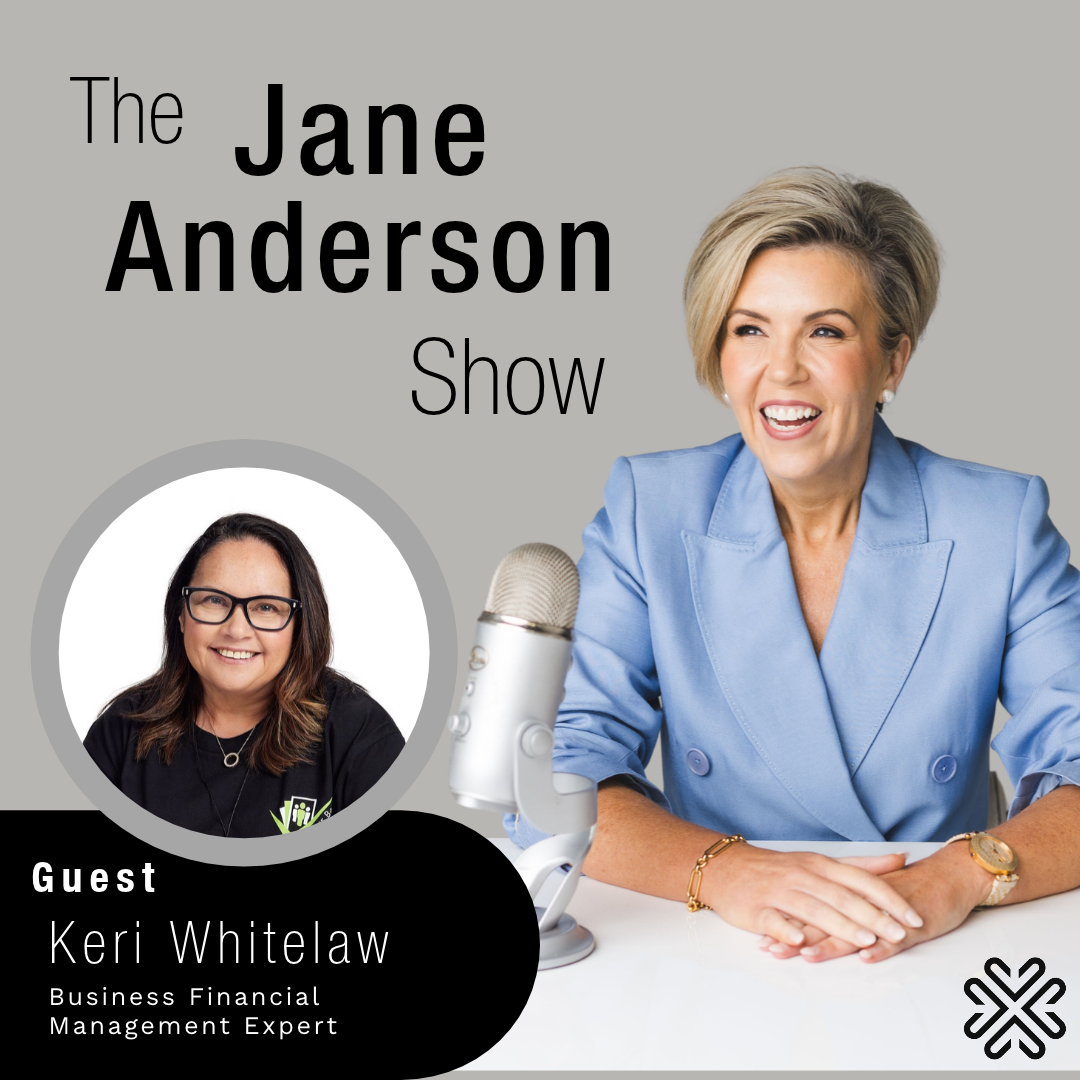
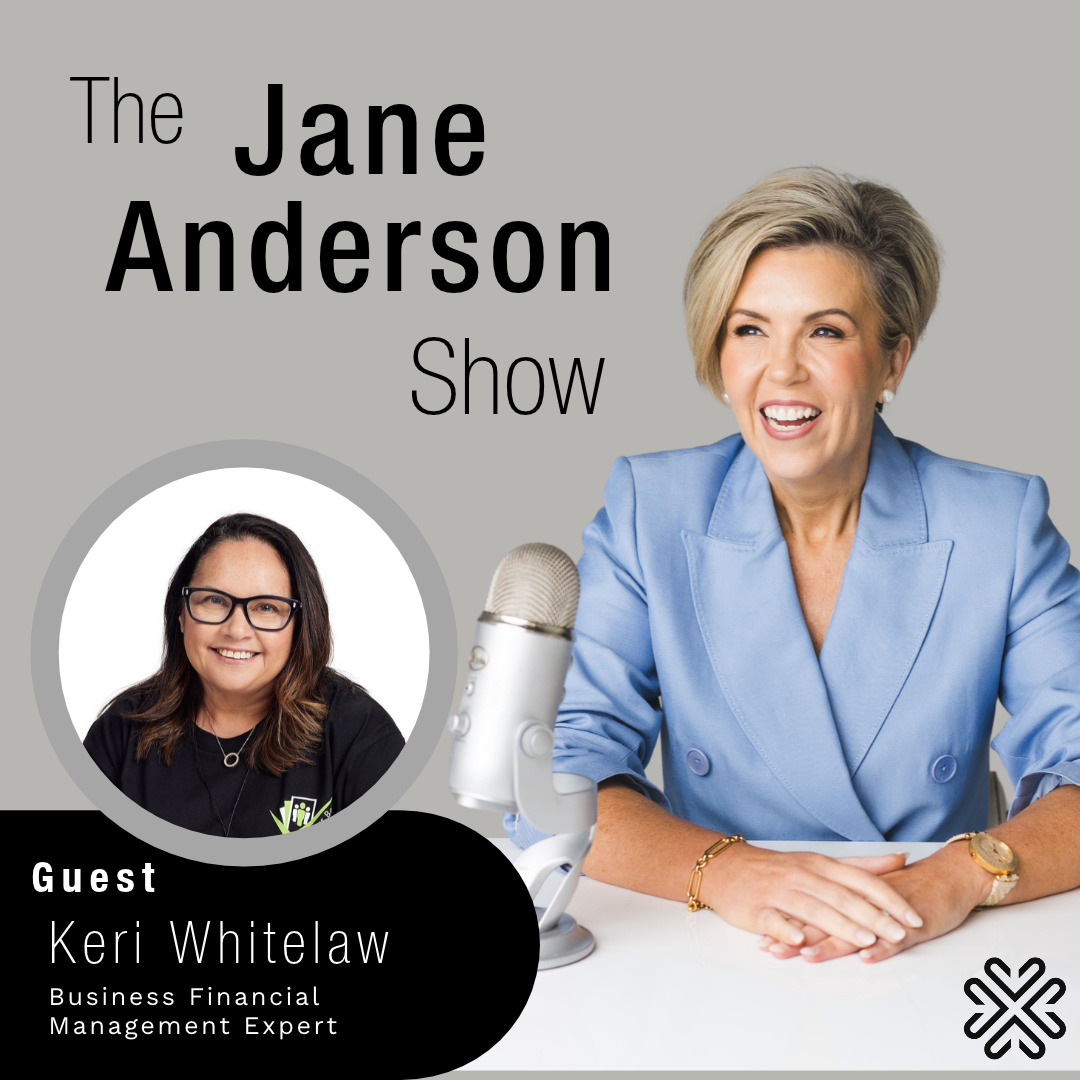
In this episode of The Jane Anderson Show, I sat down with Keri, founder of Sort Your Books and author of Accelerate: The Fast Track to Sort Your Books, Sort Your Business, Sort Your Life. Keri is a registered BAS agent with more than 25 years of experience as an agent and business owner. Her practice offers bookkeeping, payroll and business advisory support to small business owners.
Our conversation covers how to turn blog posts into a book, how to reuse what you already know, and how to price your work so it supports you properly. This article pulls out the practical lessons. You can also listen to the full episode on Apple Podcasts.
From Bookkeeping Practice to Thought Leadership
Keri started Sort Your Books in 1999, around the time the GST was introduced, while she was pregnant with her son. It began as a sole trader business and has been a company for nearly 12 years. Over time it grew into a bookkeeping, payroll and business advisory practice.
Her path into thought leadership began at a session run by Sharon Francisco, who helps bookkeepers grow their practices. I appeared as a guest at that session. Sharon has also been a guest on this podcast and was one of the founding members of Women With Influence back in 2017. Keri reached out for a chat, and that conversation took her into Women With Influence, where she learned about writing and the pink sheet process.
Bookkeeping gave her a strong starting point. It is a profession built on trust. Business owners have to be vulnerable to share their numbers, and Keri was already starting from that foundation.
How a Blog Plan Turned Into a Book
Keri attended what we now call the Influence Lab, which at the time was a writers' retreat. Everyone around the table was writing a book or had already released one. Keri had written her pink sheets and done her homework, but she had no plan to write a book. She wanted to release articles regularly as a blog, and to learn how to do it faster and more easily.
Two of the tools we use in these programs are a content page, which holds frameworks, and the pink sheet process developed by Matt Church. Keri began with 52 topics, one for each week of the year. She came away with closer to 60 or 70 pieces of intellectual property (IP). You can always spot the finance people, because they build their IP in spreadsheets.
The shift happened because the other writers in the room told her they did the same thing, then wrote books out of it. Keri walked in planning to write blogs and walked out planning to be an author. Accelerate was released in March. She reworked her blogs into chapters and worked with an editor to build them out.
Write for readers who dip in
Keri wanted a very practical book that readers could pick up in sections. Readers who want financials, software packages, break-evens or cost analysis can go straight to that topic, with a summary of where to find more information.
Update older ideas before you publish
By the time the book was ready, some of her pink sheets were more than two years old. AI had arrived, and accounting software such as Xero had changed. Reading her last chapter, she realised she could not leave it as it was. She had to write for the market as it stands now, not as it stood when she first drafted.
She also did not include all of her IP. She summarised it and built on what she thought readers should know, thinking about the questions clients ask most and their biggest pain points.
Her reasoning is practical. With today's software, owners can see their profit and loss or their weekly sales at the push of a button. A BAS agent, accountant or adviser still checks that everything is reconciled, but owners can learn about their own numbers without waiting. An accountant or adviser can sometimes be a couple of weeks, or even a month, behind while they wait for information.
Using AI to Shorten Your Own Thinking
Keri's approach to AI is simple. She still writes in her own format and looks for her own metaphors. Then she uses an AI chat tool to cut a piece down to around 200 words, or to something that suits Instagram. Everything she wants stays in, only simpler.
For Keri, it is "still my IP, still what I'm writing." The tool helps her shorten, simplify and summarise. It does not replace the thinking. She also notes that when she first attended the retreat, a little over two years ago, this technology was not available the way it is now.
Why Write When Clients Can Find Answers Online?
A common objection to writing content is that people can find everything online. They can watch a YouTube video on reading a profit and loss report or on pressing the right button in Xero. So what makes the difference?
For Keri, it starts with understanding. Clients tell her she is easy to talk to and easy to understand. She compared this to how I work in coaching: you can pinpoint the pain point quickly because you have heard something like it before. From there, she recommends processes and sets goals. Depending on the client, that might mean tidying up an accounting package, improving cash flow and debt collection, or changing how work gets done.
That last area has become a new service. Her practice now helps companies with workflow, going in to find out how many "touches" a piece of paper gets before it goes out the door. A business that has grown from two staff to 25 often keeps adding people to a task without reviewing the system. Work can end up passing through 10 people when it needs far fewer. The service grew naturally out of conversations with clients.
Trust matters just as much. Keri says not many clients come to her cold. Most arrive through referrals from accountants, other clients or expos, and very few find her through LinkedIn or social media. They have already come through a trusted adviser, so the job is to meet their expectations and set parameters so both sides know their part.
I pointed out that a referral, published content and a book add up to a strong set of touchpoints. Later in the conversation, Keri described the book as "a very big business card." When new clients come on board, she sends them a copy, so they can see and hear more about her.
Assets First, Then Repurpose
As I put it on the show, there is "life before pink sheets and life after pink sheets." Before, content can feel like more work: more thinking, more writing, another workshop to prepare. After, you build the assets first and then look at how to leverage them. The same idea can become a book chapter, a workshop, a client resource or a video.
Keri has done exactly that. She and her business partner, Karen, ran a couple of workshops for Frankston City Council, one for construction businesses and one for small business start-ups and people working from home. They developed the content with me, using green sheets. Keri already had much of the material. It was a matter of "just turning it into a workshop."
Her second book shows the same pattern. While drafting, she went back through the sheets she wrote a couple of years ago and found six she had not used that were relevant to the next book. "Oh, here's six I didn't use," she remembers thinking. It is easy to forget what you have already written, especially when you create a dozen sheets at once and then put them away.
For another conversation about using what you know to build a consulting practice, listen to Episode 73 with Kim Seeling Smith.
What comes next: a book on becoming a business owner
Keri is working on a second book, with a working title of Progression. It follows the move from contractor to business owner to company. She first planned it for apprentice tradies becoming builders, then widened it after seeing the same pain point with her subcontractor clients, including people working in disability, personal trainers and anyone else registered for an ABN.
Once someone becomes a contractor, they no longer get super or paid holidays, and many do not think about the impact until their first tax return. The book will cover setting up correctly with an ABN, and Keri plans a cheat sheet at the back. It will show what to put aside to cover two, three or four weeks off plus public holidays, with tax and super allowed for. It will be smaller and aimed at a specific market.
Launching the Book and What Keri Learned
Keri did a soft launch rather than a big PR campaign. She invited clients, family and local accountants she works with, and held the event at a local restaurant. She had won a $500 voucher from Frankston City Council that had to be used locally, and the timing worked. The Women With Influence community also has a separate Melbourne group that catches up over dinner.
Having the book in her hands means a lot to her. Her aunt, a journalist and editor by trade, proofread it and told her, "you write very much like I do." She said you can "hear your voice in it." Several friends did not know Keri was writing a book, because she had not told everyone. When it came out, people she had not heard from in a long time, including Facebook friends, reached out and bought a copy.
What she learned
Asked what she learned about herself, Keri gave a short answer: "I knew more than I thought I did." When you start writing content, you do not realise how much is in your head or that you have something to say.
What she would do differently
Keri would put the book in front of more people before publishing, to get more open feedback. She admits it can feel scary, and you can hold back because you do not want the judgement. Since release she has had little critical feedback. The comments have been that readers would have liked more detail in a section.
Her answer is that you have to cut a book off somewhere. It could have run to 15 chapters. If readers want more, they can reach out, and any extra material can go in the next book. I know that feeling. I am often writing two or three books at once, and some ideas simply cannot make the cut today.
Package Your Services Instead of Selling Your Time
I asked Keri about the common challenges she sees for women running consulting and advisory practices. She started with price. It is a competitive market, and there is always a price point you are aware of.
What she took from our coaching and from Women With Influence was to work out the package, not just an hourly rate. Ask what you are actually bringing to market and what the package looks like, then build a proposal for the client. Some people will find you on Google and want to pay $25 an hour. Keri says they are not her market. Her focus is on listening to the client, building out the proposal, and moving to a fixed fee based on value.
She also believes many people do not value themselves as much as they should. Believe in yourself and your market. At the start you may need to charge a lower rate to get work in. You can test the market and join networking groups to see what others charge. Then, with help from a professional, you can add services and build bundles and packages.
Put Tax and Super Into Your Rate From Day One
This section shares Keri's views from the conversation. It is general information, not tax advice. Check your own situation with your accountant or the Australian Taxation Office (ATO).
I told Keri that one of the biggest mistakes I see is women saying, "I just want to earn what I was earning in a job." They do not factor in the cost base, tax and super. Keri agrees. The rate needed to equal what you earned as an employee can be double. She gives the example of someone moving from $60 to $80 an hour. That extra $20 has to cover holidays, public holidays, super, and your own tools, stationery and equipment.
Set tax aside early
Keri's advice is to put tax aside from the start. Speak to your accountant, or use the ATO's PAYG withholding tax tables to get an idea of what you would have paid as an employee. If you earned $10,000, the table shows what pay as you go would look like, so you know what to put away. She notes that after your first tax return, a pay as you go instalment can start arriving with your BAS. The ATO explains how PAYG instalments work and who enters the system.
Her reasoning is simple. There is nothing worse than being two years in and facing two years of tax at once.
Start with something for super
Keri talks to sole traders and contractors about super too. If you cannot afford the full rate straight away, she suggests starting with three or four per cent and building up to 10 to 12 per cent within 12 months. The key is to "put aside something." As an employee you would have had super, and you do not want to be 20 years into business with none.
The cheat sheet in her next book uses a simple example: earn $10,000, set aside $2,000 for tax, and put super on top, at 12 per cent in her example. For context, the ATO confirms the super guarantee rate for employees rose to 12 per cent on 1 July 2025.
Keri also notes that depending on the type of contractor, the people engaging them may now be required to pay their super, and that the ATO is enforcing this more, though not across every industry. The ATO explains when super applies to independent contractors.
A monthly report makes it real
Some of Keri's contractor clients are not registered for GST because they are under the threshold, but they still want help with pay as you go. She gives them a monthly profit and loss report, plus a screenshot showing what the tax table amount and their super would be. What they do with it is their choice. A client might need to put aside $5,000 and decide on $2,000. Her message is the same: put aside something.
I added that getting this wrong is not only a maths problem. Pricing runs straight into mindset and self-worth. If we do not do that work, it trickles down into the issues we see later.
Choosing Who to Learn From
For anyone thinking about a book or about building a practice, Keri's advice is to reach out. Do not go to the first business coach you meet, or only search Google or LinkedIn. Get references from people you know and respect. She suggests starting with a conversation, which costs nothing, to see whether there is alignment.
She also values the community of leadership and professional women around us. They are approachable, and no one is really in competition. They may work in similar markets, but their specialities and personalities are very different. Find someone you trust, tell people what you are looking for, and let the pathway open up.
I agree, and I would add a caution. I have seen businesses suffer from bad advice, and the impact falls on the owner as well as the business. Look for someone with lived experience and results. Get on the phone, read testimonials and talk to people who have worked with them. A lot of marketing looks nice, but nothing replaces talking to a real client.
Support matters too. Running a business can be lonely, even with a business partner. Keri recently went away with five others from our community to write. They booked a couple of houses for the weekend. It was less structured than a formal retreat, and they probably did not get through as much content, but they wrote and enjoyed being away together.
Frequently Asked Questions
Can you turn blog posts into a book?
Keri did. She started with 52 weekly topics and ended up with closer to 60 or 70 pieces of IP. She then turned her blogs into chapters and worked with an editor to build them out. She did not include all of her material. She summarised it and focused on what readers needed to know.
How did Keri decide what to put in her book?
She wanted a practical book that readers could dip into by topic, such as financials, software packages, break-evens or cost analysis. She thought about clients' most common questions and pain points, and updated older material to reflect today's software and AI.
Can you use AI to repurpose your own content?
Keri does. She writes in her own format and looks for her metaphors, then uses an AI chat tool to cut a piece down to around 200 words or to something suited to Instagram. She says it is still her IP and still what she is writing.
How does a book help a bookkeeping or consulting practice?
Keri says most of her clients come through referrals, so trust is already in place. She describes the book as a very big business card and sends it to new clients as part of onboarding. Some people she had not heard from in a long time also reached out and bought a copy.
How do you move from hourly rates to packages?
Keri suggests working out what you are bringing to market and what the package looks like, then building a proposal for each client and moving to a fixed fee. At the start, you can test the market and join networking groups to see what others charge.
Should contractors and sole traders put aside tax and super?
Keri says yes. Put tax aside from the start, using your accountant or the ATO tax tables to estimate it. If you cannot afford the full super rate straight away, start with three or four per cent and build up over the first year. This is general information from the episode, so check your situation with your accountant or the ATO.
Conclusion
Keri Whitelaw did not set out to write a book. She set out to publish articles more consistently. By capturing what she already knew, she discovered she had far more to say than she expected, and that her IP could become chapters, workshops and client resources.
If you are building a practice, the pattern is worth borrowing. Capture your ideas first, repurpose them in different formats, package your services around value, and price in the real costs of working for yourself. Keri is also clear that you do not have to do it alone. Talk to people who have results, and surround yourself with others who are building something similar.
About Keri Whitelaw
Keri Whitelaw is the founder of Sort Your Books, a bookkeeping, payroll and business advisory practice. She is a registered BAS agent with more than 25 years of experience and has worked with hundreds of small business owners, helping them look beyond turnover to the numbers that drive their business, including cash flow, profit and break-even. She is the author of Accelerate: The Fast Track to Sort Your Books, Sort Your Business, Sort Your Life, available on Amazon and Apple, including Kindle.
Connect with Keri through Sort Your Books, or find her on LinkedIn, Instagram and Facebook.
Work With Jane Anderson
If Keri's story resonated with you, here are some ways to take the next step:
Women With Influence: Join a community of B2B women consultants, coaches and advisors building world-class practices.
1:1 Coaching: Work directly with Jane on your personal brand and business growth strategy.
Influence Lab: Create a year's worth of thought leadership content and turn your expertise into strategic assets for your consulting practice.
Tune in to hear a practical conversation about turning what you know into content, books and a practice that works for you.
Key Takeaways from Today’s Episode:
-
Keri started with 52 topics, ended with 60 to 70 pieces of IP, and later found six unused sheets for her second book. Take the time to capture what you know.
-
One idea can become a blog, a book chapter, a workshop or a client resource. Keri turned blogs into chapters and sheets into workshops.
-
Keri writes the material herself, then uses an AI chat tool to cut it down or simplify it for different formats.
-
Keri says clients value being understood and having things explained clearly. Most arrive through referrals, and her book works like a big business card.
-
Work out what you bring to market, build a proposal and move toward a fixed fee.
-
If you work as a contractor or sole trader, set tax aside early and put aside something for super, even if you start small.
-
Keri would share the book with more people earlier. Decide where a chapter ends, and save extra ideas for the next book.