The Power Of Your Personal Story
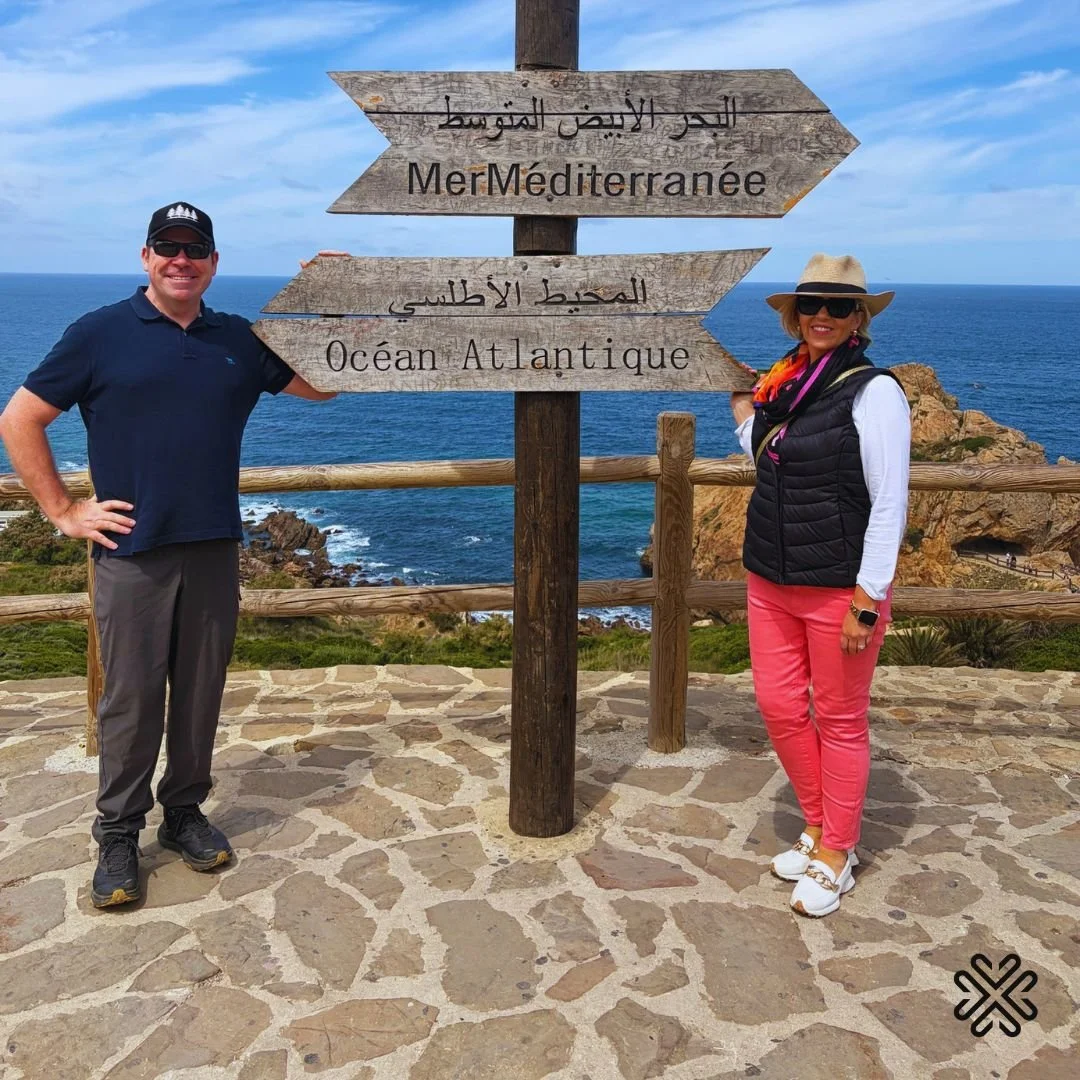
Mark, my husband, and I have just got back from our honeymoon last week. Not that we just got married, but we were married during Covid, so we had to put our honeymoon off, other things got in the way, and so finally we set sail from Barcelona to Rome!
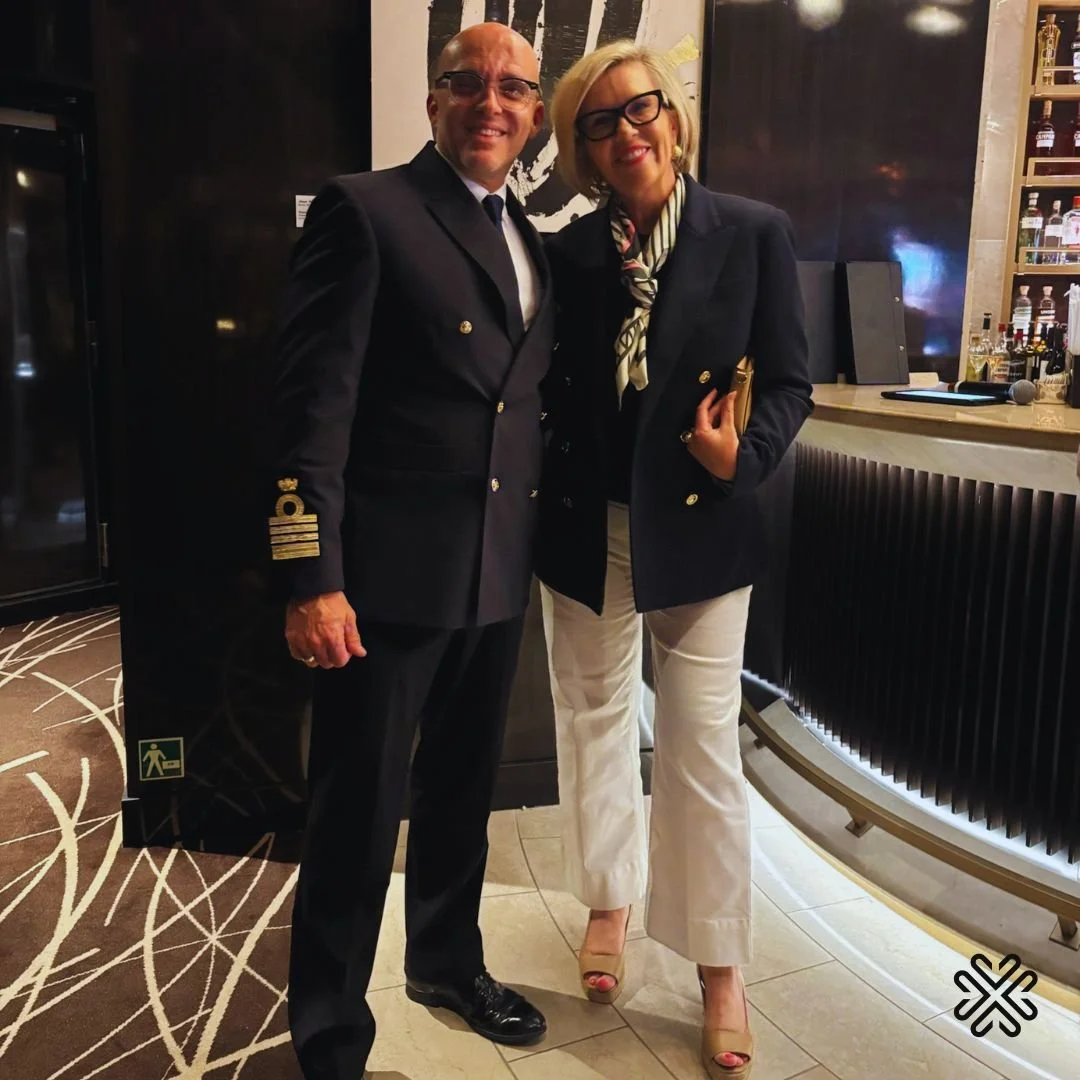
Whilst somewhere off the coast of Spain, there was an opportunity to attend an onboard Q&A session with the captain of the ship. During that session a fellow passenger asked the exact question I wanted to ask- why he chose his career. His answer struck a chord with me.
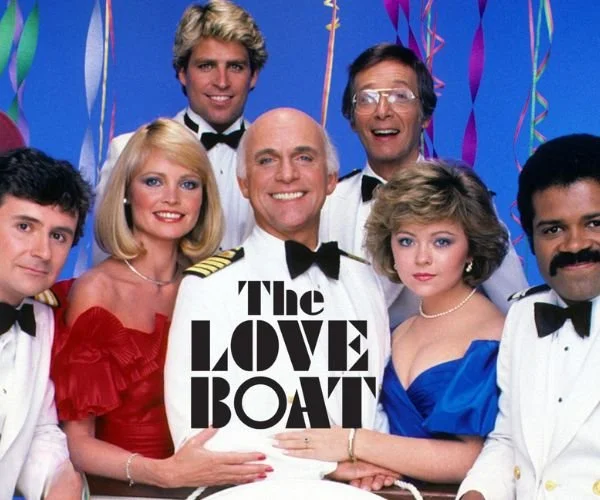
He said, ‘Well, I come from a family of cargo ship Captains; in fact, I’m 4th generation and grew up in a family where cargo ships were our life. However, I was the youngest out of my siblings, and I spent a lot of time with my grandmother growing up. My grandmother’s favourite show was The Love Boat, so we would watch reruns of The Love Boat constantly. She loved the romance of it all, and that seemed to rub off on me. Captain Stubing became my hero – he’s still my hero today. And I still watch reruns of The Love Boat. It’s my favorite show.’
In that moment, it brought back nostalgia of a kid in northern New South Wales watching The Love Boat with my sisters. I grew up loving The Love Boat too! I loved Captain Stubing too!
Wow, what a moment to experience that memory in the middle of the Mediterranean Ocean on our honeymoon. It gave me goosebumps and a tear to my eye to have such a connection to him, the journey, and the brand. I felt an instant kinship with the captain, someone whom I’d never let in my life and now felt connected to. Even though we’d had amazing customer service on the cruise so far, I now felt even more valued as a customer.
What happened in that moment was alignment.
He had an alignment between his emotions and his identity, me my emotions and identity, and now an emotional connection with the brand for both of us. And he also had another way to understand people, and for them to understand him.
It was a human connection through a story.
The beautiful thing he finished with was “...and that’s just my story. Every team member on this ship has a great story about why they’re here too.”
When it comes to marketing ourselves, our brands, and our ideas, our first instinct is to sound as professional as we can and obsess about the product. So we present people with our achievements and credentials, hoping that will earn us people’s attention.
Why stories outsell credentials
The science backs this up. Psychologists Melanie Green and Timothy Brock coined the term 'narrative transportation' in their landmark 2000 study published in the Journal of Personality and Social Psychology.
Green and Brock’s work shows that when people are highly transported into a story, they focus their attention on the narrative, experience stronger imagery and emotion, and become more likely to adopt beliefs that are consistent with that story. In other words, we feel first, and think later.
That emotional response has a measurable impact on your bottom line. An analysis of more than 1,400 advertising campaigns in the UK found that purely emotional campaigns performed twice as well as purely rational ones – generating a 31% increase in profitability compared to just 16% for fact-based approaches.
Closer to home, the Australian Advertising Effectiveness Rules report – the only study of its kind outside the UK – confirmed the same pattern. It found that emotional campaigns consistently outperform rational ones for long-term market share growth.
For thought leaders, the implication is clear. Your credentials tell people what you know. Your story makes them feel why it matters. And that feeling is what drives the decision to work with you.
AI can’t create connection… or ‘scar tissue.’
With the arrival of artificial intelligence, it is possible for anybody to sound like an expert. Just type a few prompts into ChatGPT and you’re suddenly a subject matter expert in something you only just learned about.
Thought leader Adam Winsor at the Harvard Business Review, ‘I’ve watched people with no operating experience in a domain use AI to produce passable thought-leadership content on that domain within hours. The output reads well. It hits the right keywords. It refers to the right research. But it’s empty, because it wasn’t forged through experience.’
This is where the power of personal stories comes in. You can feed an AI all the right ingredients, but what AI can’t do is create your story. According to Winsor, AI and the content it creates will always lack what he refers to as ‘scar tissue’.
Real operators have stories about what went wrong, what went right and why this matters. It’s this scar tissue, the things that went wrong, the damage left behind and the recovery that follows, that gets your audience to connect with you.
Find the ‘scars’ in your thought leadership
If you’re struggling to connect with your audience (or worried about sounding like AI!), remember that trust, authority and connection come from others feeling like they know you. And that comes through via your personal story and what makes you uniquely you. This includes the scar tissue, the failures and the struggle – those are the things that create kinship with people.
Take a look at your own brand and thought leadership and ask yourself:
What’s the story behind what you do (your ‘origin story’)? This isn’t the polished version, but the real thing.
What did you have to lose, risk or survive to get where you are today? What challenges are you still facing?
What’s a moment of failure or doubt that actually changed the direction of your work?
What would your clients never guess about your journey, and why might it matter to them?
This will lead to your own stories that will speak to people’s hearts.
And needless to stay we had booked our next trip before we even got off the boat.