When you’re a thought leader, business owner, consultant, or even an executive, positioning matters, but many approach positioning like a campaign. They push out a new website, a run of LinkedIn posts, a handful of articles, maybe a podcast or newsletter, then let it all go quiet after the initial burst of energy.
But those who are most successful at positioning, and therefore are the most influential, take a different approach. They don’t treat positioning as something you do quickly and then never think about again, but as something strategic that unfolds across your career. It’s something that you build up incrementally, continually add to and adjust, refine over time, and most importantly, fiercely protect.
Estée Lauder on positioning
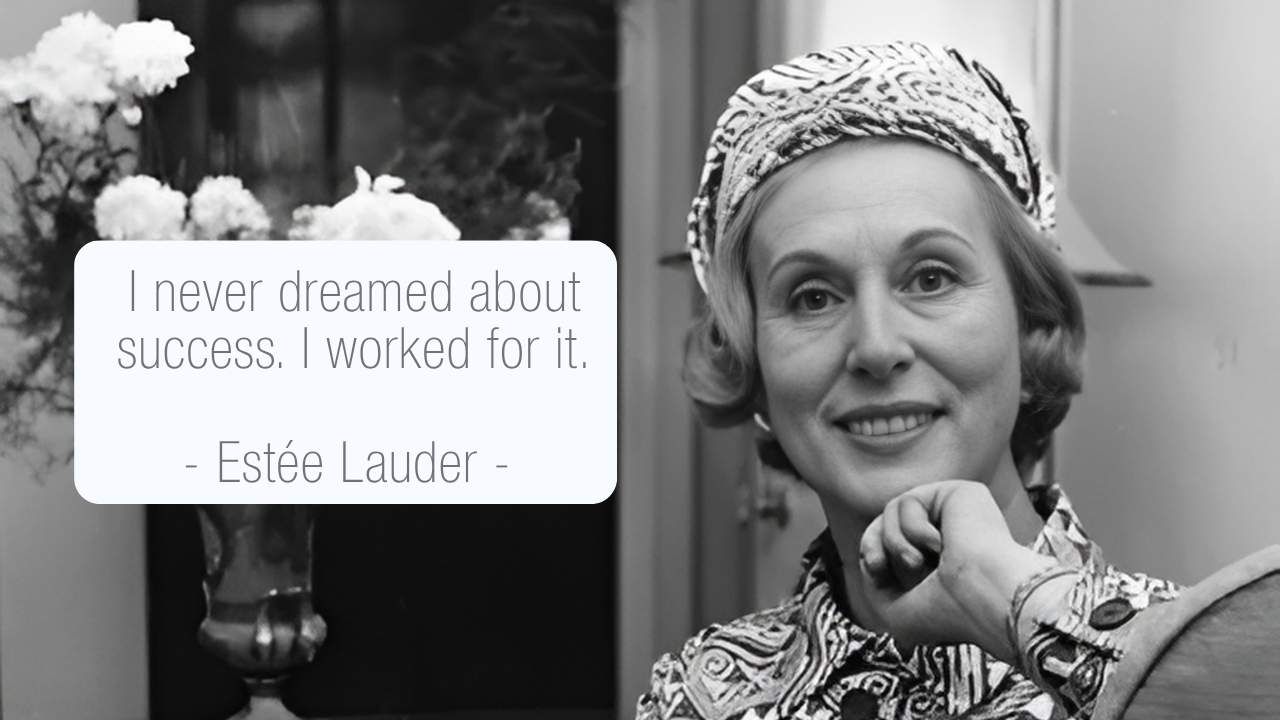
Estée Lauder once said, ‘I never dreamed about success. I worked for it.’
Today Estée Lauder is a global company that’s worth over $24 billion USD. But this success didn’t come from a single campaign or spike in visibility. It came from decades of deliberate decisions about how her brand would be perceived. These were decisions like pricing her products at a premium, designing packaging that felt elegant and luxurious, and choosing where her products were sold. She also spoke about beauty and was careful about who she chose to align her company with.
Each decision pointed her company in the same way, so that over time it became synonymous with those things – elegance, premium, beauty. People didn’t just see her brand now; they understood it. And this strategic positioning didn’t happen by accident. It was built.
Building your positioning
When you’re building your own positioning, it needs to be done through strategy, deliberate actions, over a long period of time, because positioning compounds.
Positioning compounds, even when you can’t see it
Positioning works much like compound interest. Every board paper (or white paper) you write, reinforces your thinking. Every article you publish creates more authority. Every opportunity you say yes to or walk away from solidifies what you align with. And each decision builds on the one that came before. That’s how you create positioning.
But the challenge is that, in the short term, the effect can be almost invisible. You won’t usually see an immediate impact from a single article published, or a single LinkedIn post. You may not even see it from a month’s worth of posts or articles. There’s just no clear signal that it’s working.
When you can’t see your work having an impact, it’s tempting to try something else or go a different direction. However, real positioning takes time, and rewards consistency. And that means it can be a slow process. As a high-performing woman, you’re used to creating real impact.
This is exactly why so many capable women pivot too early. Things don’t move quickly, so they look like they aren’t moving at all. So, it’s tempting to change directions, adjust the message or chase something new before the compounding really has time to take effect.
The 3 questions behind your positioning
When you’re playing the long game of positioning, it pays to think less about visibility and more about how clear you’re showing who you are. Three questions can help you get clear on this:
What do you want to be known for?
What do you want to be paid for?
What rooms do you want to influence?
When you answer these questions deliberately, then the answers help you fill in the gaps. They can guide you so that the decisions you make help you become known for the things you want to be known for because you say yes to the right things and embrace the things that align with what you stand for.
When you don’t know the answer to these questions, it’s easy to end up highly capable and highly busy, but not strategically visible.
It’s also important to know when to say no because the long game of positioning requires restraint and strategy. Not every opportunity is going to align with the direction you want to go. Not every stage or speaking gig will build your authority. And not every client is going to strengthen your positioning. Sometimes, the most powerful move you can make is to decline work that dilutes who you are and where you want your practice or business to go.
Consistency builds trust
Being consistent in your messaging doesn’t just give you clear positioning – it also builds trust. Harvard Business Review and related business research emphasise that consistency between what leaders say and do, and consistency across communication channels, is crucial for building trust.
Another way to think about this is as reputational capital. At senior levels, opportunities are rarely based on your most recent performance alone. They’re shaped by the accumulation of that perception over time. So, your reputation is forming long before your title or role can catch up.
The long game in practice
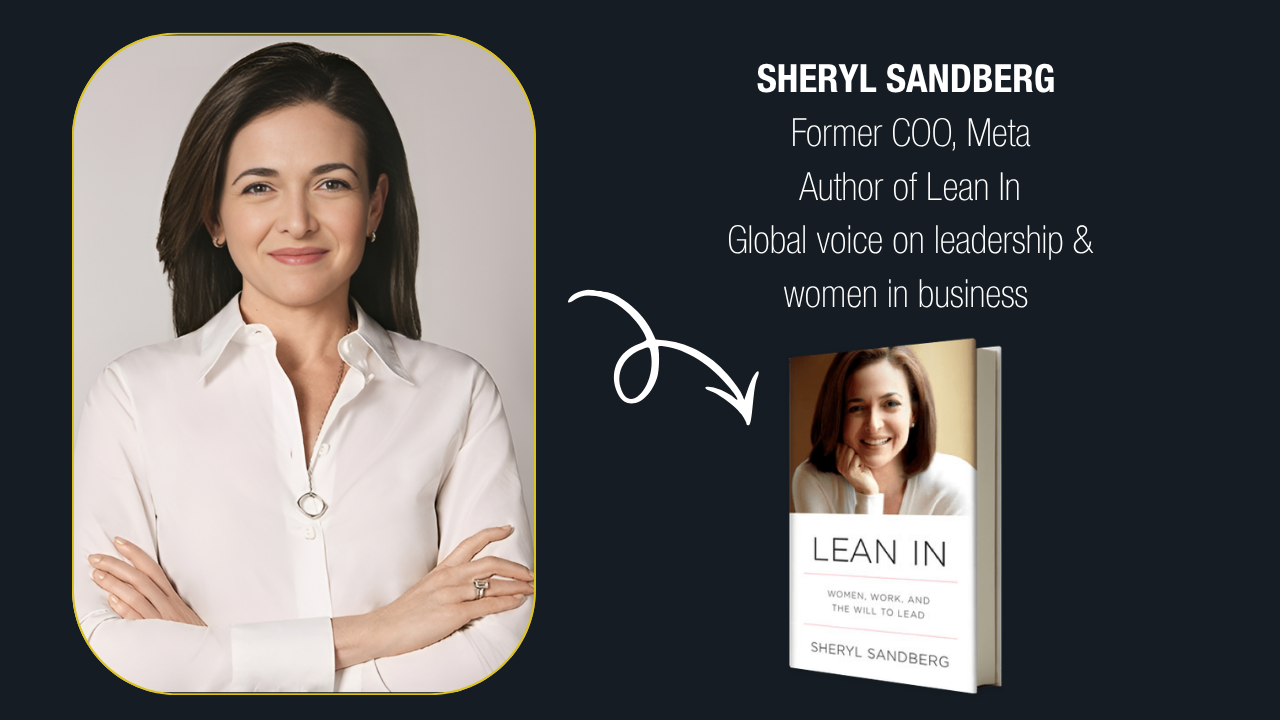
Sheryl Sandberg is another fantastic example of the long game in practice. Well before Lean In became a global movement, Sandberg had already established her positioning. Her work sat at the intersection of women, leadership, scale and technology. And it stayed there. It didn’t shift with the trends.
So, by the time the book was published, her positioning was already solidly in place. Her book didn’t have to create her authority – it amplified it. And that’s because she was already playing the long game.
One final reflection
Before you do anything else, take a step back and look at your current actions (your speaking, your writing, your thought leadership, your IP). Now ask yourself: are they aligned with the reputation you want to hold in five years.
Positioning is not what you declare. It’s what you show the world, consistently, over time. Eventually, that’s what people believe about you. And that belief is your positioning.
I’d love to hear your thoughts…